-
Dec, Thu, 2024
Electric Hot Water
Key Components of a Central Water Heater
Storage tank
Heating element / Thermostat and controls of water heating
Preparing for Installation
Assessing Your Hot Water Needs
Calculating household water usage
Understanding peak demand times
Sizing the water heater appropriately
Selecting the Right Location
Space requirements
Proximity to plumbing fixtures
Ventilation and safety considerations
Choosing the Right Water Heater
Comparison of electric
Step-by-Step Installation Process
Preparation Before Installation
Gathering necessary tools and materials
Shutting off the water and electricity/gas supply
Draining the old water heater (if applicable)
Installing the New Central Water Heater
Positioning the tank and connecting plumbing
Installing electrical connections
Setting up the thermostat and safety fittings
Finalizing the Installation
Testing for leaks and proper functioning
Adjusting settings for optimal performance
Clean up and restoring the work area
Maintenance and Troubleshooting Central Water Heater
Routine Maintenance for Longevity
Regular inspections and flushing
Checking and replacing anode rods
Insulating pipes and tank
Common Issues and Solutions
Inadequate hot water supply
Strange noises from the heater
Water discoloration or odor
Knowing When to Call a Professional
Diagnosing serious problems
Evaluating repair vs. replacement
Finding qualified service technicians
Cost Considerations and Energy Efficiency
Upfront and Long-Term Costs
Installation costs of various water heaters
Operating costs over time
Potential rebates and incentives
Improving Energy Efficiency
Insulating your water heater
Upgrading to Energy Star-rated models
Utilizing smart home technology
Financing Your Installation
Exploring payment options
Understanding warranties and service plans
Budgeting for maintenance costs
Summary
In summary, installing a central water heater requires careful planning and execution, from understanding the system’s components to ensuring efficient operation and maintenance. By assessing your specific needs and preferences, you can make an informed choice that enhances your home’s comfort and energy efficiency.
The Essential Advantages of Central Water Heaters for Your Home
Central Water Heaters
Overview of what a central water heater is
How central water heaters operate
Differences between central and point-of-use systems
Sizes of Central Water Heaters
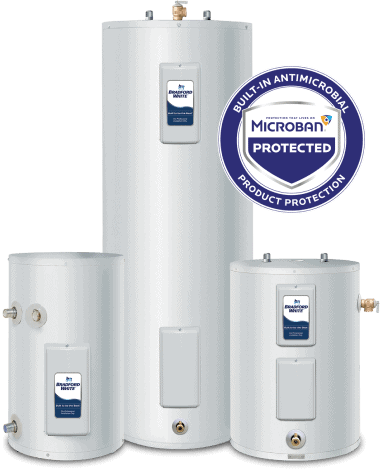
50 USG / 80 USG / 120 USG Storage tank water heaters
Water Heating Systems
Evolution of water heating technology
The rise of central water heating systems
Current trends in residential water heating
Lower Utility Bills
Long-term savings on energy bills
Government incentives for energy-efficient systems
Cost of installation and return on investment over time
Environmental Benefits
Reduction in carbon footprint
Energy source considerations (renewable vs.
non-renewable)
Efficient water use contributing to sustainability
Improved Water Supply and Consistency
Consistent Hot Water Availability
Instant access to hot water for multiple outlets
Comparison with point-of-use systems during peak demand
Advantages for large families and multi-bathroom homes
Water Pressure Maintenance
Explanation of pressure dynamics in central systems
Elimination of cold-water interruption during showers
Benefits for homes with significant water usage
Maintenance and Longevity for Water Heater
Routine Maintenance Requirements
Guidelines for regular care of central water heaters
Importance of flushing and descaling
Signs that maintenance is needed
Typical Lifespan of Central Water Heaters
Average lifespan compared to decentralized systems
Factors affecting durability (installation quality, water
quality)
Warranty options and considerations
Professional Maintenance Services
Benefits of hiring qualified technicians
What to expect during a maintenance visit
Cost considerations for professional services
Installation Considerations
Upfront Costs and Budgeting
Breakdown of initial investment factors (size, type,
features)
Financial planning for installation expenses
Financing options for homeowners
Choosing the Right System for Your Home
Key factors to consider (family size, usage patterns)
Evaluating available space and existing infrastructure
Long-term goals and sustainability preferences
Finding Qualified Installers
Criteria for selecting installation professionals
Importance of licensing and reviews
Questions to ask during the selection process
Conclusion
Summary of the benefits discussed
Importance of central water heaters in modern homes
Encouragement to consider a central water heater for
improved comfort and efficiency
FAQs
1. What are the signs that I need a new water heater? Common signs include inconsistent water temperature, strange noises, and frequent leaks.
2. How often should I maintain my water heater? It is generally recommended to perform maintenance at least once a year.
3. Can I install a central water heater myself? While it’s possible, hiring a professional is often advisable to ensure safety and compliance with local codes.
4. What is the average lifespan of a central water heater? Typically, a well-maintained water heater can last anywhere from 8 to 12 years.
5. Are there any energy-efficient options available? Yes, consider looking for Energy Star-rated models, which use advanced technologies to consume less energy.
Central Water Heater: A Comprehensive Guide to Choosing the Right System
When it comes to ensuring a steady supply of hot water for your home or business, a central water heater is an indispensable solution. These systems provide efficient and reliable hot water distribution to meet the needs of households and commercial spaces. In this guide, we will explore everything you need to know about central water heaters, from their types and benefits to maintenance tips and purchasing considerations.
What is a Central Water Heater?
A central water heater is a heating system designed to supply hot water to multiple outlets, such as showers, faucets, and appliances, from a single centralized unit. Unlike individual water heaters that serve specific locations, central systems ensure consistent hot water delivery throughout a building. They are commonly used in residential homes, apartment complexes, hotels, and commercial buildings.
Types of Central Water Heaters
There are several types of central water heaters, each designed to suit different needs and preferences. Understanding these types can help you choose the best system for your requirements.
Storage Tank Water Heaters
Storage tank water heaters are the most common type of central water heaters. They feature an insulated tank that stores hot water until it’s needed. These systems are ideal for homes with high water usage, as they provide a large reserve of hot water.
Condensing Water Heaters
Condensing water heaters utilize the heat from exhaust gases to heat water, improving efficiency and reducing energy consumption. They
are typically used in larger households or commercial settings.
Advantages of Central Water Heaters
Investing in a central water heater comes with numerous benefits that enhance comfort and convenience. Here are some of the top
advantages:
• Consistent Hot Water Supply: Central water heaters ensure a steady flow of hot water to all outlets, making them ideal for households with high water demand.
• Energy Efficiency: Modern systems are designed to minimize energy consumption, leading to lower utility bills.
• Space-Saving Designs: Tankless and compact models free up valuable space in your home or building.
• Long Lifespan: With proper maintenance, central water heaters can last for years, providing a reliable source of hot water.
• Eco-Friendly Options: Systems like solar and heat pump water heaters reduce environmental impact by utilizing renewable energy sources.
Key Considerations When Choosing a Central Water Heater
Selecting the right central water heater requires careful evaluation of your needs and preferences. Here are some factors to consider:
1. Capacity
Determine the hot water demand for your household or building. Larger families or commercial spaces may require systems with higher capacities to meet peak usage.
2. Energy Efficiency
Look for energy-efficient models with high Energy Factor (EF) or Uniform Energy Factor (UEF) ratings. These systems save money on utility bills while reducing environmental impact.
3. Installation Space
Consider the available space for installation. Tankless systems are ideal for smaller areas, while storage tanks require more room.
Installation and Maintenance Tips
Proper installation and maintenance are crucial for the optimal performance and longevity of your central water heater.
Here’s what you need to know:
Installation of Water Heater
• Hire a licensed professional to ensure proper installation and compliance.
• Position the heater in a well-ventilated area to prevent overheating and enhance efficiency.
• Insulate pipes to reduce heat loss and improve energy efficiency.
Maintenance of Water Heater
• Regular Inspection: Schedule annual check-ups to identify and address potential issues before they become major problems.
• Flush the Tank: For storage tank systems, flush the tank periodically to remove sediment buildup that can affect efficiency.
• Replace Anode Rod: Inspect and replace the anode rod in storage tanks to prevent corrosion.
• Clean Filters: Keep filters clean in heat pump and tankless systems to maintain optimal performance.
• Monitor Temperature Settings: Set the thermostat to an energy-efficient temperature, typically around 120°F (49°C).
Common Problems and Troubleshooting Tips for Water Heater
Even the best central water heaters can encounter issues.
Here are some common problems and solutions:
• No Hot Water: Check the power supply, thermostat settings.
• Inconsistent Water Temperature: Inspect the thermostat and heating elements for faults.
• Low Water Pressure: Clean the inlet and outlet pipes to remove blockages.
• Unusual Noises: Sediment buildup in the tank may cause noise; flush the system to resolve this.
• Leaking Tank: A leaking tank often indicates severe damage and may require replacement.
Environmental Impact and Sustainability
Choosing an eco-friendly central water heater can significantly reduce your carbon footprint. Solar and heat pump systems are excellent options for sustainable living. Additionally, using energy-efficient models and maintaining them properly ensures minimal environmental impact.
Top Brands for Central Water Heaters
Some reputable brands known for their high-quality central water heaters include:
• Rheem
• AO Smith
• American Proline
• Bradford
• State
Research and compare models from these brands to find the best fit for your needs.
Conclusion
A central water heater is a valuable investment that provides consistent, efficient, and reliable hot water for your home or business. By understanding the different types, benefits, and maintenance requirements, you can select the perfect system to meet your needs. Remember to prioritize energy efficiency and sustainability to save on costs and reduce environmental impact. With the right central water heater, you can enjoy comfort and convenience for years to come.
Everything You Need to Know About Water Heaters
Water heaters are essential appliances in every home, providing the hot water we rely on for bathing, cleaning, cooking, and more. Choosing the right water heater and maintaining it properly can significantly impact your energy efficiency and utility bills. In this comprehensive guide,
we will explore everything you need to know about water heaters, from types and installation to maintenance tips and energy-saving techniques.
1. What is a Water Heater?
A water heater is a household appliance designed to heat water for domestic use. It works by using electricity, gas, or solar power to raise the temperature of water stored in a tank or flowing through a heating system. The heated water is then distributed through pipes to faucets, showers, and appliances.
2. Types of Water Heaters
There are several types of water heaters available, each suited to different needs and preferences:
Storage Tank Water Heaters
This is the most common type of water heater. It consists of an insulated tank that stores hot water until needed. These units are affordable and straightforward to install but may not be as energy-efficient as other options.
Condensing Water Heaters
Condensing water heaters are designed for homes that use natural gas. They capture and utilize the heat from exhaust gases to heat water, making them energy-efficient and cost-effective.
Factors to Consider When Choosing a Water Heater
When selecting a water heater, several factors come into play:
• Capacity: Choose a water heater that can handle your household’s hot water needs.
• Energy Efficiency: Look for units with high energy ratings to save on utility bills.
• Type: Electric heaters.
• Installation Space: Ensure the unit fits the available space in your home.
• Cost: Consider both upfront costs and long-term operating expenses.
How Do Water Heaters Work?
The operation of a water heater depends on its type:
• Storage Tank Models: These heat water and store it in a tank, maintaining the temperature until usage.
How to Maintain Your Water Heater
Regular maintenance can extend the lifespan of your water heater and improve its efficiency. Follow these tips:
• Flush the Tank: Drain and flush the tank annually to remove sediment buildup.
• Check the Anode Rod: Inspect and replace it every 2-3 years to prevent corrosion.
• Insulate the Tank: Use a water heater blanket to reduce heat loss and save energy.
• Test the Pressure Relief Valve: Ensure it functions correctly to prevent excessive pressure buildup.
Energy-Saving Tips for Water Heaters Reduce energy consumption with these practical tips:
• Lower the Thermostat: Set the temperature to 120°F for optimal efficiency.
• Use Less Hot Water: Install low-flow showerheads and faucets.
• Consider a Timer: Use a timer to limit heating during off-peak hours.
• Upgrade to Energy-Efficient Models: Look for ENERGY STAR-certified water heaters.
Professional Installation vs. DIY Installing a water heater can be complex and requires
knowledge of plumbing and electrical systems. While DIY installation can save money, professional installation ensures safety, compliance with local codes, and optimal performance. Always consult a licensed technician if unsure.
Signs It’s Time to Replace Your Water Heater
Water heaters have a limited lifespan, typically 8-12 years for storage models and up to 20 years for tankless units. Watch for these
signs that it’s time to replace yours:
• Frequent Repairs: Constant breakdowns may indicate the unit is nearing the end of its life.
• Reduced Efficiency: Higher energy bills and slower heating can signal declining performance.
• Rust and Corrosion: Visible rust or leaks are clear signs of wear and tear.
Conclusion
A water heater is a crucial component of any home, and understanding its types, functionality, and maintenance can save you time and money. Whether you’re considering an upgrade to a tankless model, looking to enhance energy efficiency, or simply aiming to extend your current unit’s
lifespan, the right knowledge is key. Follow the tips in this guide to ensure you make the most of your water heater while keeping your energy bills in check. With proper care and consideration, your water heater can provide reliable service for years to come.