

fbpx

All posts by Admin

Electric Hot Water

Central Water Heaters

Key Components of a Central Water Heater

Storage tank

Heating element / Thermostat and controls of water heating

Preparing for Installation

Assessing Your Hot Water Needs

Calculating household water usage

Understanding peak demand times

Sizing the water heater appropriately

Selecting the Right Location

Space requirements

Proximity to plumbing fixtures

Ventilation and safety considerations

Choosing the Right Water Heater

Comparison of electric

Step-by-Step Installation Process

Preparation Before Installation

Gathering necessary tools and materials

Shutting off the water and electricity/gas supply

Draining the old water heater (if applicable)

Installing the New Central Water Heater

Positioning the tank and connecting plumbing

Installing electrical connections

Setting up the thermostat and safety fittings

Finalizing the Installation

Testing for leaks and proper functioning

Adjusting settings for optimal performance

Clean up and restoring the work area

Maintenance and Troubleshooting Central Water Heater

Routine Maintenance for Longevity

Regular inspections and flushing

Checking and replacing anode rods

Insulating pipes and tank

Common Issues and Solutions

Inadequate hot water supply

Strange noises from the heater

Water discoloration or odor

Knowing When to Call a Professional

Diagnosing serious problems

Evaluating repair vs. replacement

Finding qualified service technicians

Cost Considerations and Energy Efficiency

Upfront and Long-Term Costs

Installation costs of various water heaters

Operating costs over time

Potential rebates and incentives

Improving Energy Efficiency

Insulating your water heater

Upgrading to Energy Star-rated models

Utilizing smart home technology

Financing Your Installation

Exploring payment options

Understanding warranties and service plans

Budgeting for maintenance costs

Summary

In summary, installing a central water heater requires careful planning and execution, from understanding the system’s components to ensuring efficient operation and maintenance. By assessing your specific needs and preferences, you can make an informed choice that enhances your home’s comfort and energy efficiency.

The Essential Advantages of Central Water Heaters for Your Home

Central Water Heaters

Overview of what a central water heater is

How central water heaters operate

Differences between central and point-of-use systems

Sizes of Central Water Heaters

50 USG / 80 USG / 120 USG Storage tank water heaters

Water Heating Systems

Evolution of water heating technology

The rise of central water heating systems

Current trends in residential water heating

Lower Utility Bills

Long-term savings on energy bills

Government incentives for energy-efficient systems

Cost of installation and return on investment over time

Environmental Benefits

Reduction in carbon footprint

Energy source considerations (renewable vs.
non-renewable)

Efficient water use contributing to sustainability

Improved Water Supply and Consistency

Consistent Hot Water Availability

Instant access to hot water for multiple outlets

Comparison with point-of-use systems during peak demand

Advantages for large families and multi-bathroom homes

Water Pressure Maintenance

Explanation of pressure dynamics in central systems

Elimination of cold-water interruption during showers

Benefits for homes with significant water usage

Maintenance and Longevity for Water Heater

Routine Maintenance Requirements

Guidelines for regular care of central water heaters

Importance of flushing and descaling

Signs that maintenance is needed

Typical Lifespan of Central Water Heaters

Average lifespan compared to decentralized systems

Factors affecting durability (installation quality, water
quality)

Warranty options and considerations

Professional Maintenance Services

Benefits of hiring qualified technicians

What to expect during a maintenance visit

Cost considerations for professional services

Installation Considerations

Upfront Costs and Budgeting

Breakdown of initial investment factors (size, type,
features)

Financial planning for installation expenses

Financing options for homeowners

Choosing the Right System for Your Home

Key factors to consider (family size, usage patterns)

Evaluating available space and existing infrastructure

Long-term goals and sustainability preferences

Finding Qualified Installers

Criteria for selecting installation professionals

Importance of licensing and reviews

Questions to ask during the selection process

Conclusion

Summary of the benefits discussed

Importance of central water heaters in modern homes

Encouragement to consider a central water heater for
improved comfort and efficiency

FAQs

1.            What are the signs that I need a new water heater? Common signs include inconsistent water temperature, strange noises, and frequent leaks.

2.            How often should I maintain my water heater? It is generally recommended to perform maintenance at least once a year.

3.            Can I install a central water heater myself? While it’s possible, hiring a professional is often advisable to ensure safety and compliance with local codes.

4.            What is the average lifespan of a central water heater? Typically, a well-maintained water heater can last anywhere from 8 to 12 years.

5.            Are there any energy-efficient options available? Yes, consider looking for Energy Star-rated models, which use advanced technologies to consume less energy.

Central Water Heater: A Comprehensive Guide to Choosing the Right System

When it comes to ensuring a steady supply of hot water for your home or business, a central water heater is an indispensable solution. These systems provide efficient and reliable hot water distribution to meet the needs of households and commercial spaces. In this guide, we will explore everything you need to know about central water heaters, from their types and benefits to maintenance tips and purchasing considerations.

What is a Central Water Heater?

A central water heater is a heating system designed to supply hot water to multiple outlets, such as showers, faucets, and appliances, from a single centralized unit. Unlike individual water heaters that serve specific locations, central systems ensure consistent hot water delivery throughout a building. They are commonly used in residential homes, apartment complexes, hotels, and commercial buildings.

Types of Central Water Heaters

There are several types of central water heaters, each designed to suit different needs and preferences. Understanding these types can help you choose the best system for your requirements.

Storage Tank Water Heaters

Storage tank water heaters are the most common type of central water heaters. They feature an insulated tank that stores hot water until it’s needed. These systems are ideal for homes with high water usage, as they provide a large reserve of hot water.

Condensing Water Heaters

Condensing water heaters utilize the heat from exhaust gases to heat water, improving efficiency and reducing energy consumption. They
are typically used in larger households or commercial settings.

Advantages of Central Water Heaters

Investing in a central water heater comes with numerous benefits that enhance comfort and convenience. Here are some of the top
advantages:

•              Consistent Hot Water Supply: Central water heaters ensure a steady flow of hot water to all outlets, making them ideal for households with high water demand.

•              Energy Efficiency: Modern systems are designed to minimize energy consumption, leading to lower utility bills.

•              Space-Saving Designs: Tankless and compact models free up valuable space in your home or building.

•              Long Lifespan: With proper maintenance, central water heaters can last for years, providing a reliable source of hot water.

•              Eco-Friendly Options: Systems like solar and heat pump water heaters reduce environmental impact by utilizing renewable energy sources.

Key Considerations When Choosing a Central Water Heater

Selecting the right central water heater requires careful evaluation of your needs and preferences. Here are some factors to consider:

1. Capacity

Determine the hot water demand for your household or building. Larger families or commercial spaces may require systems with higher capacities to meet peak usage.

2. Energy Efficiency

Look for energy-efficient models with high Energy Factor (EF) or Uniform Energy Factor (UEF) ratings. These systems save money on utility bills while reducing environmental impact.

3. Installation Space

Consider the available space for installation. Tankless systems are ideal for smaller areas, while storage tanks require more room.

Installation and Maintenance Tips

Proper installation and maintenance are crucial for the optimal performance and longevity of your central water heater.

Here’s what you need to know:

Installation of Water Heater

•              Hire a licensed professional to ensure proper installation and compliance.

•              Position the heater in a well-ventilated area to prevent overheating and enhance efficiency.

•              Insulate pipes to reduce heat loss and improve energy efficiency.

Maintenance of Water Heater

•              Regular Inspection: Schedule annual check-ups to identify and address potential issues before they become major problems.

•              Flush the Tank: For storage tank systems, flush the tank periodically to remove sediment buildup that can affect efficiency.

•              Replace Anode Rod: Inspect and replace the anode rod in storage tanks to prevent corrosion.

•              Clean Filters: Keep filters clean in heat pump and tankless systems to maintain optimal performance.

•              Monitor Temperature Settings: Set the thermostat to an energy-efficient temperature, typically around 120°F (49°C).

Common Problems and Troubleshooting Tips for Water Heater

Even the best central water heaters can encounter issues. 

Here are some common problems and solutions:

•              No Hot Water: Check the power supply, thermostat settings.

•              Inconsistent Water Temperature: Inspect the thermostat and heating elements for faults.

•              Low Water Pressure: Clean the inlet and outlet pipes to remove blockages.

•              Unusual Noises: Sediment buildup in the tank may cause noise; flush the system to resolve this.

•              Leaking Tank: A leaking tank often indicates severe damage and may require replacement.

Environmental Impact and Sustainability

Choosing an eco-friendly central water heater can significantly reduce your carbon footprint. Solar and heat pump systems are excellent options for sustainable living. Additionally, using energy-efficient models and maintaining them properly ensures minimal environmental impact.

Top Brands for Central Water Heaters

Some reputable brands known for their high-quality central water heaters include:

•              Rheem
•              AO Smith
•              American Proline
•              Bradford
•              State

Research and compare models from these brands to find the best fit for your needs.

Conclusion

A central water heater is a valuable investment that provides consistent, efficient, and reliable hot water for your home or business. By understanding the different types, benefits, and maintenance requirements, you can select the perfect system to meet your needs. Remember to prioritize energy efficiency and sustainability to save on costs and reduce environmental impact. With the right central water heater, you can enjoy comfort and convenience for years to come.

Everything You Need to Know About Water Heaters

Water heaters are essential appliances in every home, providing the hot water we rely on for bathing, cleaning, cooking, and more. Choosing the right water heater and maintaining it properly can significantly impact your energy efficiency and utility bills. In this comprehensive guide,
we will explore everything you need to know about water heaters, from types and installation to maintenance tips and energy-saving techniques.

1. What is a Water Heater?

A water heater is a household appliance designed to heat water for domestic use. It works by using electricity, gas, or solar power to raise the temperature of water stored in a tank or flowing through a heating system. The heated water is then distributed through pipes to faucets, showers, and appliances.

2. Types of Water Heaters

There are several types of water heaters available, each suited to different needs and preferences:

Storage Tank Water Heaters

This is the most common type of water heater. It consists of an insulated tank that stores hot water until needed. These units are affordable and straightforward to install but may not be as energy-efficient as other options.

Condensing Water Heaters

Condensing water heaters are designed for homes that use natural gas. They capture and utilize the heat from exhaust gases to heat water, making them energy-efficient and cost-effective.

Factors to Consider When Choosing a Water Heater

When selecting a water heater, several factors come into play:

•              Capacity: Choose a water heater that can handle your household’s hot water needs.

•              Energy Efficiency: Look for units with high energy ratings to save on utility bills.

•             Type: Electric heaters.

•              Installation Space: Ensure the unit fits the available space in your home.

•              Cost: Consider both upfront costs and long-term operating expenses.

How Do Water Heaters Work?

The operation of a water heater depends on its type:

•              Storage Tank Models: These heat water and store it in a tank, maintaining the temperature until usage.

How to Maintain Your Water Heater

Regular maintenance can extend the lifespan of your water heater and improve its efficiency. Follow these tips:

•              Flush the Tank: Drain and flush the tank annually to remove sediment buildup.

•              Check  the Anode Rod: Inspect and replace it every 2-3 years to prevent corrosion.

•              Insulate the Tank: Use a water heater blanket to reduce heat loss and save energy.

•              Test the Pressure Relief Valve: Ensure it functions correctly to prevent excessive pressure buildup.

Energy-Saving Tips for Water Heaters Reduce energy consumption with these practical tips:

•              Lower the Thermostat: Set the temperature to 120°F for optimal efficiency.

•              Use Less Hot Water: Install low-flow showerheads and faucets.

•              Consider a Timer: Use a timer to limit heating during off-peak hours.

•              Upgrade to Energy-Efficient Models: Look for ENERGY STAR-certified water heaters.

Professional Installation vs. DIY Installing a water heater can be complex and requires

knowledge of plumbing and electrical systems. While DIY installation can save money, professional installation ensures safety, compliance with local codes, and optimal performance. Always consult a licensed technician if unsure.

Signs It’s Time to Replace Your Water Heater

Water heaters have a limited lifespan, typically 8-12 years for storage models and up to 20 years for tankless units. Watch for these
signs that it’s time to replace yours:

•             Frequent Repairs: Constant breakdowns may indicate the unit is nearing the end of its life.

•              Reduced Efficiency: Higher energy bills and slower heating can signal declining performance.

•              Rust and Corrosion: Visible rust or leaks are clear signs of wear and tear.

Conclusion

A water heater is a crucial component of any home, and understanding its types, functionality, and maintenance can save you time and money. Whether you’re considering an upgrade to a tankless model, looking to enhance energy efficiency, or simply aiming to extend your current unit’s
lifespan, the right knowledge is key. Follow the tips in this guide to ensure you make the most of your water heater while keeping your energy bills in check. With proper care and consideration, your water heater can provide reliable service for years to come.
Central Water Heater Best Seller in Qatar

A O Smith America Central Water Heater

O. Smith Corporation, established in 1874, is today one of the largest manufacturers and suppliers of water heaters and other hot water equipment for industrial and domestic applications in the USA. In 1972 the corporation started expanding outside the USA with a first branch in the Netherlands, Europe. Further international expansion followed in 1997 (China factory established) and 2010 (India factory established). Meanwhile, the export activities expanded to many countries. Central Water Heater for House, Commercial, Apartment, Villa

A O SMITH PROMAX – RESIDENTIAL ELECTRIC WATER HEATER

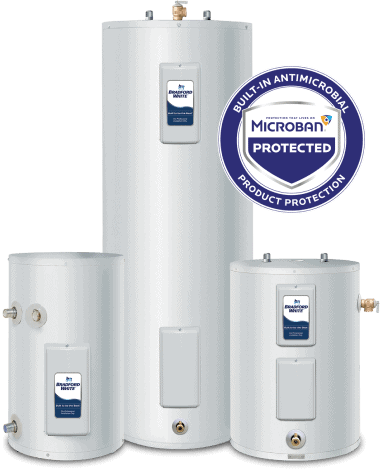
A O SMITH Central Water Heater Model – ECT – 80 / ECT – 120

Tall, short and lowboy models available.

  • Commercial grade incoloy sheathed elements with Ni-Chrome resistance wire embedded in magnesium Range 1.5 to 4.5 kW, rated 230 Volt, suitable for 220-240 Volt power supply
  • Surface mounted control thermostats with a temperature range from 43°C/110°F to maximum 71°C/160°F and hi-limit factory fixed setting at 83°C/180°F.
  • Thermostats are accurate to ± 5°C/5°F.
  • Diffuser dip tube carries incoming cold water from the top connection, to the bottom of the tank to minimize mixing with the hot water in the Helps reduce lime and sediment buildup while maximizing hot water output. Made from long-lasting PEX cross-linked polymer.
  • Our Coregard™ magnesium anode rods have a stainless-steel core that extends the life of the anode rod allowing superior tank protection far longer than standard anode rods.
  • Durable, tamper-resistant brass drain valve
  • The internal pressure tank is constructed of heavy-duty carbon Maximum working pressure is rated at 150psi/10bar. Test pressure per UL 174 std is 300psi/20bar.
  • Specially developed glass coating protects steel tank from corrosion and maximizes tank life.
  • Factory installed, side-mounted, CSA/ASME certified T&P safety relief valve is standard on all models.
  • All models are equipped with factory installed heat traps on the inlet and outlet connections to improve energy efficiency.
  • Code compliance meets the Federal Energy Efficiency Standards according to the 2004 edition of the National Appliance Energy Conservation Act (NAECA) of 1992 and the standby loss requirements of the S. Department of Energy and Current Edition of ASHRAE/IES 90.1.
  • Residential export water heaters comply with UL 174, GSO, PAI and IEC 60335-2-21. Only models with standard kW are registered for SASO energy labels
  • Limited warranty 6 years on the tank and 1 year on the parts

(more…)

SS Central Water Filter 40″ Watertec

Watertec Stain Steel 7 stage Central Water System for Villa, Houses, Schools, Nurseries, and Restaurants. Stainless Steel 7-stage polypropylene micro 5 water filter for the house is a high-performance water filtration system designed to provide thorough water purification by utilizing a combination of multiple filtration stages. These systems typically target a wide range of contaminants, ensuring that the water entering your home is safe, clean, and free of impurities.

Let’s break down the components and benefits of such a Watertec SS 7-stage filtration system and explain what each stage does:

Key Features of a Watertec Stainless Steel 7-Stage Polypropylene Micro 5 Water Filter

Stainless Steel 7 stage Wartertec central water filter for Schools, Houses, and Hotels. SS 7-stage filter typically combines multiple types of filtrations to address various water quality issues, ensuring a comprehensive solution for cleaner water. While the specific configurations can vary depending on the brand and model, here is a general breakdown of what each stage might involve:

  1. Stage 1: Polypropylene Micro 5 Micron Sediment Filter
  • Purpose: This is the first line of defense in the filtration process. The polypropylene micro filter traps large particles like dirt, sand, rust, and silt.
  • Why it’s important: This stage removes coarse sediments that can cause cloudiness or clog plumbing and appliances. It prevents the rest of the filtration media from being overwhelmed by large particles.
  1. Stage 2: Granular Activated Carbon (GAC)
  • Purpose: The granular activated carbon filter adsorbs chlorine, chloramines, volatile organic compounds (VOCs), pesticides, herbicides, and other chemicals that affect taste, odor, and safety.
  • Why it’s important: GAC removes chemicals that are commonly found in municipal water and improve taste and odor by removing chlorine and other contaminants.
  1. Stage 3: Carbon Block Filter
  • Purpose: The carbon block filter is a denser, more effective version of activated carbon, which provides finer filtration. It further removes chlorine, lead, mercury, volatile organic compounds (VOCs), and some heavy metals.
  • Why it’s important: Carbon blocks have a higher capacity to remove fine contaminants, providing better filtration for smaller particles and dissolved substances than granular carbon.
  1. Stage 4: Ion Exchange Resin
  • Purpose: The ion exchange resin is designed to remove hardness from the water, such as calcium and magnesium, which cause scale buildup in pipes, water heaters, and appliances.
  • Why it’s important: It softens the water, preventing scaling issues and improving the efficiency of plumbing and appliances, as well as reducing water spots on glassware.
  1. Stage 5: Ceramic Filter (Microfiltration)
  • Purpose: The ceramic filter provides microfiltration to remove smaller particles, including bacteria, cysts, and larger microbes.
  • Why it’s important: It adds an additional layer of protection against biological contaminants, ensuring that harmful microorganisms are filtered out before they enter your home’s water supply.
  1. Stage 6: UV (Ultraviolet) Sterilization
  • Purpose: UV sterilization uses ultraviolet light to kill or deactivate bacteria, viruses, and other microorganisms present in the water.
  • Why it’s important: This stage provides extra protection against biological contaminants that other filters may not address, especially for well water or water that may have been exposed to pathogens.
  1. Stage 7: Post Carbon Filter
  • Purpose: The post carbon filter is usually a final activated carbon filter that helps polish the water, removing any remaining chlorine, odors, or tastes.
  • Why it’s important: This stage ensures the water has an excellent taste and is free from any lingering chemicals or unpleasant smells after the filtration process.

Benefits of a Stainless Steel 7 Stage Watertec Central Water System SS 7-Stage Polypropylene Micro 5 Water Filter for Your Home

  1. Comprehensive Filtration:
    • The SS 7-stage filter provides a multi-layered defense against a wide range of contaminants, including sediment, chemicals, microorganisms, heavy metals, and hardness. It offers thorough purification, making it ideal for homes with specific water quality issues.
  2. Improved Taste and Odor:
    • By removing chlorine, chloramines, pesticides, VOC’s, and other harmful chemicals, the system greatly improves the taste and odor of your water. This is particularly important if your water supply has a strong chemical taste or smell.
  3. Protection for Plumbing and Appliances:
    • The sediment and hardness removal components of the filter (Stages 1, 4, and 5) help protect plumbing systems, pipes, and appliances from sediment buildup, scaling, and damage from corrosive water.
  4. Safe Drinking Water:
    • With the combination of UV sterilization, ceramic filtration, and activated carbon, you get extra peace of mind that your water is free from harmful microorganisms, bacteria, and viruses, in addition to chemicals.
  5. Water Softening:
    • The ion exchange resin (Stage 4) softens the water by removing calcium and magnesium, which can cause scale buildup in appliances like water heaters, dishwashers, and coffee makers.
  6. Low Maintenance:
    • Watertec Central Stainless Steel 7-stage filtration systems are designed for ease of use, requiring only regular replacement of filter cartridges (usually every 6-12 months, depending on water quality and usage). The UV system might require occasional bulb replacement.
  7. Cost-Effective:
    • Although a SS 7-stage filter requires a larger upfront investment compared to simpler systems, the comprehensive nature of the filtration makes it a cost-effective solution in the long run, as it addresses multiple water quality issues in a single system.

Things to Consider When Choosing a Watertec Central Water System 7-Stage Polypropylene Micro 5 Water Filter:

  1. Water Quality:
    • If your water contains high levels of chlorine, chloramines, or hardness, a SS 7-stage filter can be highly effective. If you are dealing with well water that may have biological contaminants, the UV sterilization stage becomes particularly useful.
  2. Flow Rate and Size:
    • Make sure the system can handle your household’s water flow rate. If you have a larger household, ensure that the system has a sufficient gallons per minute (GPM) rating to meet your needs.
  3. Installation:
    • These systems are typically installed at the point of entry (where water enters your home), and while professional installation is recommended, it’s possible to install some systems yourself if you are comfortable with basic plumbing.
  4. Maintenance:
    • While the system generally requires low maintenance, you’ll need to replace the filters at recommended intervals. The ceramic filter and UV bulb will need replacement over time, and filter cartridges should be checked for clogging or wear.
  5. Space Considerations:
    • Make sure you have enough space for the filter system, as multi-stage systems are often larger and require more space than simpler, single-stage filters. The system will need to be installed at the main water inlet.
  6. Cost:
    • Watertec Central Water System Stainless Steel 7-stage filtration systems tend to be on the higher end of the price range compared to simpler systems. However, given the comprehensive filtration and the longevity of the system, they can be a great investment for improving water quality.

Watertec Stainless Steel Popular Brands for 7-Stage Water Filters:

  • AquaOx: Offers multi-stage filtration systems with up to 7 stages, ideal for comprehensive water treatment.
  • Aquasana: Known for high-quality whole-house filtration systems that combine sediment, carbon, and UV treatments.
  • iSpring: Offers multi-stage filters, including advanced systems with ceramic, UV, and carbon block filters.
  • Express Water: Offers affordable multi-stage filtration systems that include both sediment and activated carbon filters, often with UV options.

Stainless Steel 7 stage Watertec Central Water System for Houses, Commercial, Apartments, Hotels, and public sector SS 7-stage polypropylene micro 5 water filter for your home provides highly effective water filtration, especially if you’re concerned about a variety of contaminants, including sediment, chemicals, bacteria, heavy metals, and hard water. With multiple filtration stages, this system ensures that you get clean, safe, and great-tasting water throughout your home

Watertec Stainless Steel 7 stage Central Water Filter for Villa, Houses, Schools, Nurseries, and Restaurants. Stainless Steel 7-stage polypropylene micro 5 water filter for the house is a high-performance water filtration system designed to provide thorough water purification by utilizing a combination of multiple filtration stages. These systems typically target a wide range of contaminants, ensuring that the water entering your home is safe, clean, and free of impurities.

Watertec 40″ Stainless Steel 7 stage Central Water System for Houses, Commercial, Apartments, Hotels, and public sector SS 7-stage polypropylene micro 5 water filter for your home provides highly effective water filtration, especially if you’re concerned about a variety of contaminants, including sediment, chemicals, bacteria, heavy metals, and hard water. With multiple filtration stages, this system ensures that you get clean, safe, and great-tasting water throughout your home

Hot Water Heater Repair – American / A O Smith

All residential electric water heaters have the Fused Ceramic Shield lining, a tough, thick, durable coating of ceramic that is fused to the tank’s interior surface at 1600˚F, forming a corrosion-resistant lining for years of dependable protection and use.
•    Dual Heating Elements – Screw-in, direct immersion, 4500-watt, 240-volt heating elements for maximum efficiency.
•    Non-CFC Foam Insulation – The tank is surrounded by a thick coat of non-CFC polyurethane foam to trap heat inside the tank, saving energy.
•    Dip Tube – Carries cold inlet water deep into the tank to minimize temperature dilution of hot water.
•    T&P Valve – Conveniently located on the side of the tank to facilitate piping to a drain or external to the building. Also available with top T&P opening for field installed top T&P valve.
•    3/4” Water Connections – Located on top.
•    Anode Rod – Top-mounted, heavy-duty anode for added tank protection, extending the life of the tank.
•    Built-In Electric Junction Box – Top-located, convenient junction box, ready for 1/2” or 3/4” conduit.
•    Thermostat/High Limit Control – Combination control allows adjustment of water temperature while preventing overheat protection.
•    Code Approvals – Listed to UL 174, 1987 NAECA current requirement, BOCA and ASHRAE 90.1-1999. All models are certified at 300 PSI test pressure and 150 PSI working pressure.
•    Drain Valve – Child-resistant, corrosion-resistant drain valve.
6-Year Limited Tank/Parts Warranty*

American ProLine® Central Water Heater

Features

  • Ideal for very cold climates and long runs to the shower.
  • They do not emit gases, easy installation in closed places.
  • Wide variety of capacities.

Advantage

  • The best efficiency and savings in its category.
  • Electrical resistors in various powers and voltages for greater durability.
  • Tank with porcelain coating Fused Ceramic Shield.
  • High density CFC-free polyurethane foam insulation.
  • Dynaclean self-cleaning system.
  • Anti-scale protection with sacrificial anode and drain key.
  • Temperature and Pressure safety valve.

American Proline Central Water Heater / AO Smith

All residential electric water heaters have the Fused Ceramic Shield lining, a tough, thick, durable coating of ceramic that is fused to the tank’s interior surface at 1600˚F, forming a corrosion-resistant lining for years of dependable protection and use.
•    Dual Heating Elements – Screw-in, direct immersion, 4500-watt, 240-volt heating elements for maximum efficiency.
•    Non-CFC Foam Insulation – The tank is surrounded by a thick coat of non-CFC polyurethane foam to trap heat inside the tank, saving energy.
•    Dip Tube – Carries cold inlet water deep into the tank to minimize temperature dilution of hot water.
•    T&P Valve – Conveniently located on the side of the tank to facilitate piping to a drain or external to the building. Also available with top T&P opening for field installed top T&P valve.
•    3/4” Water Connections – Located on top.
•    Anode Rod – Top-mounted, heavy-duty anode for added tank protection, extending the life of the tank.
•    Built-In Electric Junction Box – Top-located, convenient junction box, ready for 1/2” or 3/4” conduit.
•    Thermostat/High Limit Control – Combination control allows adjustment of water temperature while preventing overheat protection.
•    Code Approvals – Listed to UL 174, 1987 NAECA current requirement, BOCA and ASHRAE 90.1-1999. All models are certified at 300 PSI test pressure and 150 PSI working pressure.
•    Drain Valve – Child-resistant, corrosion-resistant drain valve.
6-Year Limited Tank/Parts Warranty*

Hot Water Central Heating System

Hot Water Central Heating System

A central water heater is a system designed to provide hot water to multiple points in a building, typically through a centralized heating unit that distributes the heated water to various fixtures, such as faucets, showers, and appliances. These systems are commonly used in larger homes, apartment buildings, or commercial establishments. There are several types of central water heating systems. America central water heater we Supply and install and repair central water heater for house in Al Wakra, Doha, Umm Salal, Rawdath Al Hammam, Al Kheesa, Qatar to provide hot water for all house during winter session:

Types of America Central Electric Water Heaters:

  1. Tank (Storage) Water Heaters:
    • Central Water Heater Works: These are the most common type, consisting of a large insulated tank that stores hot water for central tank roof top. The water is heated by electricity, gas, or oil, and it remains in the tank until needed.
    • Pros: Simple, cost-effective, and reliable. Watertec Best seller in Qatar for Water Heater A o Smith, American Proline, Bradford, Rheem Central Water Heater for House in Qatar. Can provide a large volume of 50USG, 80USG, 120USG Central Water Heater for Commercial and Central Hot Water Heater for Domestic.
    • Cons: Can run out of hot water if demand exceeds the tank’s capacity. Energy consumption may be higher due to heat loss from the tank. Watertec provide more best quality and more competitive prices and one of best seller for central water heater in Qatar with low cost and quality service with 24 x 7
  2. Central America Hot Water Heaters:
    • How it works: These systems heat water only when it’s needed, without storing it in a tank. They use gas or electricity to instantly heat water as it passes through the unit.
    • Pros: Energy-efficient, no risk of running out of hot water, compact design for domestic and best America central water heater available with lowest cost for customer’s satisfaction.
    • Cons: May not be able to supply hot water for multiple outlets simultaneously (unless you have a large capacity system or multiple units). Higher upfront cost.

Key Features of a Central Water Heater System:

  • Storage Capacity: 50 USG, 80USG and 120USG, America central water heater for the volume of water the heater can store, typically measured in gallons (for tank water heaters).
  • Energy Source: Can use electricity central water heat from Watertec with Free maintenance of 1 Years.
  • Temperature Control: Most systems have thermostats to regulate water temperature, often adjustable. Watertec repair and replace the Central Water Heater thermostat, Heater Element for 1200kW, 3500kW, 4500kW, and 6000kW single phase Central Water Heater and 3 phase central water heater maintenance at customer’s door step.
  • Insulation: Insulated tanks or pipes help reduce heat loss and increase energy efficiency.
  • Size & Location: America Central water heaters often need to be located in a utility room, basement, or mechanical room where there’s enough space for the unit.

Advantages of Central Water Heaters:

  • Convenience: They can provide hot water to multiple locations simultaneously, making them ideal for large homes or buildings.
  • Consistent Supply: With properly sized systems, they can provide a continuous supply of hot water. – America Ao O Smith Heater and American Proline Heater and Rheem Heater.
  • Energy Efficiency: Modern systems, particularly heat pump and tankless models, are more energy-efficient than older traditional systems. – 50USG, 80USG, and 120USG central water heater

Would you like more details about a specific type of central water heater or guidance on selecting one?


Please Watertec Solution technical team vis WhatsApp or Email. For Central Water Heater Supply and Central Water Heater Repair and Central Water Heater Maintenance

Kitchen Sink Water Filter Faucet

Watertec Ultrafiltration (UF) membrane kitchen 6 stages filters are widely used in water treatment, industrial processes, and even healthcare due to their ability to remove contaminants while retaining essential minerals. Here are some key benefits of UF membrane filters:

High Filtration Efficiency – Watertec 6 Stage Kitchen Filter UF membranes are highly effective in removing particles, bacteria, viruses, and other microorganisms down to 0.01-0.1 microns. This level of filtration ensures that water is free from pathogens and other harmful contaminants.

Chemical-Free Process – Wartertec Kitchen 6 Stage UF filtration is a physical process, meaning it doesn’t require chemicals to disinfect or purify water, making it environmentally friendly and safe for sensitive applications, like drinking water treatment.

Retains Essential Minerals – Unlike some filtration methods, UF filters do not remove dissolved salts and minerals that are beneficial for health. This makes them an excellent choice for applications where maintaining mineral content is important.

Low Operating Costs – UF membranes generally operate at low pressures compared to other membrane processes, such as reverse osmosis (RO), which can reduce energy costs and make the system more economical over time.

Compact and Space-Saving – Due to their high efficiency, UF systems are often smaller and require less space than conventional filtration systems, making them ideal for areas with limited space.

Versatile Applications – UF membranes are versatile and can be used in various applications, such as drinking water treatment, wastewater treatment, food and beverage processing, pharmaceuticals, and more.

Extended Membrane Life – UF membranes are robust and typically have a long lifespan, especially when combined with proper pretreatment and maintenance, which can further reduce long-term costs.

Stable Quality Output – UF systems produce consistently high-quality water regardless of the quality fluctuations in the feed water, which makes them ideal for applications requiring steady output quality.

These advantages make UF membrane filters an effective and sustainable choice for many industries, from municipal water treatment to industrial applications.

Features

6 Stage Filtration
75 Gallons Per Day
Long Reach SS304 Faucet
3.2 Gallon Plastic Storage Tank – PP Material
All hardware included
First Stage: 5 microns sediment filter
Second Stage: Activated Carbon filter
Third Stage: 5 microns Carbon block filter
Fourth Stage: UF Membrane
Fifth Stage: Post Activated Carbon filter
Sixth Stage: UV Lamp
System Technical Parameters
Input Power: AC 220V 50Hz
Rated Power: 96W
Rated Current: ≤4.0A
Working Current: ≤3.0A
Inlet Pressure: 30 PSI
Temperature: 5~45˚C
Operating Pressure: 0.6Mpa-0.7Mpa
Filter Housing Max Pressure: 28Bars
Packing Size: 420*220*610mm
Pump Working Pressure: 90PSI
Pump Work Flow: 204LPH
Pump Amps: 2.5A

Pump Max Working Pressure: 145PSI

kitchen sink water filter