


Central Water Systems
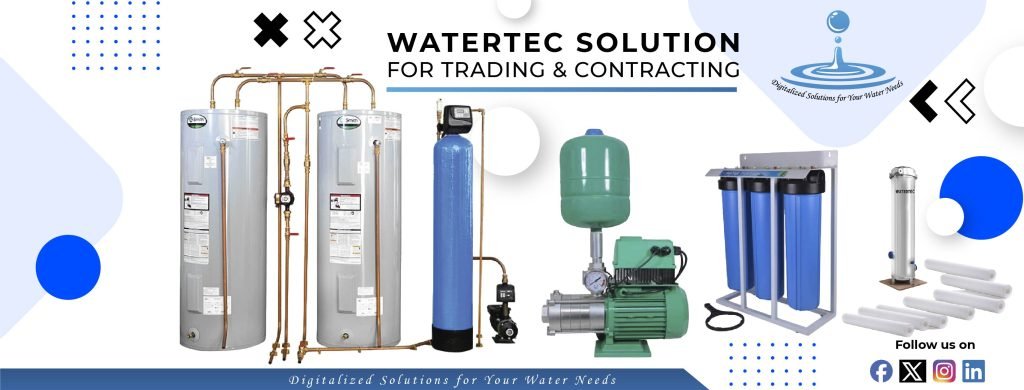
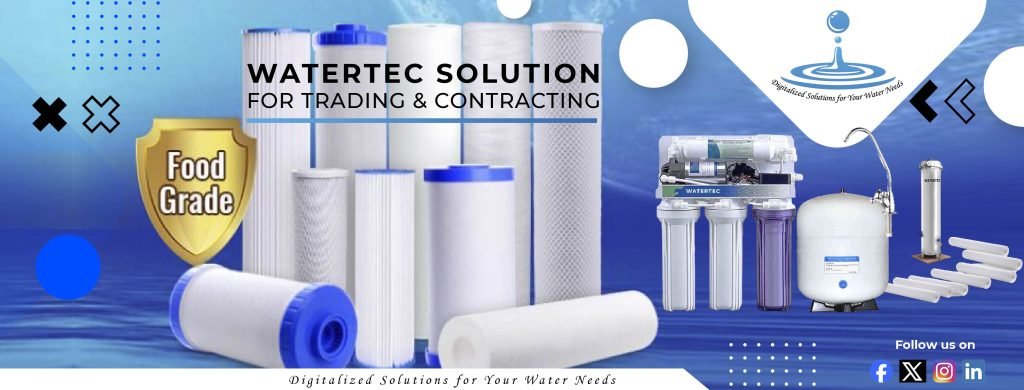
Central water systems play a crucial role in both residential and commercial settings, ensuring efficient management, purification, and distribution of water. By employing an integrated set of components, these systems fulfill essential functions such as heating, cooling, filtering, and pumping water to various points of use. Understanding central water systems is vital for optimizing performance, improving energy efficiency, and extending equipment longevity.
At the core of a central water system are several key components, each contributing to the overall effectiveness of the system. Central water heaters are essential for providing hot water for domestic tasks, heating systems, and industrial processes. These heaters utilize various energy sources, such as electricity, gas, or renewable energy, to maintain the desired water temperature efficiently.
In contrast, central chillers are utilized primarily in commercial applications to provide cooled water, which is essential for air conditioning systems and process cooling. By absorbing heat and circulating cooled water, chillers maintain comfortable indoor environments and support industrial processes that require temperature regulation.
Water filtration systems are equally important, ensuring that the water supplied is not only heated or cooled but also free from impurities and contaminants. Central water filters remove particulate matter, chemicals, and biological contaminants, safeguarding the health of all individuals relying on the water supply. Pumps, meanwhile, facilitate the movement of water throughout the system, ensuring proper flow rates to meet various demands across different applications.
In summary, central water systems consist of interrelated components, such as heaters, chillers, filters, and pumps, that work together to optimize water temperature management and ensure water purity. Comprehending the significance of each component reinforces the importance of central water systems in maintaining comfort and safety in both residential and commercial environments.
Central Water Heaters: Efficiency and Benefits
Central water heaters play a vital role in delivering hot water for various needs within a home or facility. These systems are designed to provide hot water on demand, ensuring comfort and convenience for daily activities. There are mainly two types of central water heaters: traditional tank systems and modern tankless options. Understanding the differences between these types can aid homeowners in selecting the best solution for their specific requirements.
Traditional water heaters store and heat a specific volume of water in a tank, which is continuously maintained at a set temperature. This allows for immediate access to hot water; however, they can consume more energy due to standby heat loss, where heat dissipates from the tank. On the other hand, tankless water heaters, also referred to as on-demand heaters, heat water directly as it is required. This efficiency not only conserves energy by eliminating standby losses but also offers the advantage of providing hot water indefinitely, as long as the demand does not exceed the system’s flow rate.
When choosing a central water heating system, energy efficiency becomes a primary factor. Tankless systems typically have higher energy efficiency ratings, indicated by their Energy Factor (EF) ratings. This translates to savings on utility bills and a reduced carbon footprint, making them a popular eco-friendly option. However, it is important to consider the initial installation costs, maintenance requirements, and potential issues that can arise with both types of systems. Regular maintenance is crucial for both tank and tankless systems to ensure longevity and efficiency. Common issues can include sediment buildup in tanks or scaling in tankless units, impacting their performance and lifespan.
In conclusion, adopting a central water heater requires careful consideration of various factors, including efficiency, installation, and maintenance. By evaluating the benefits and drawbacks of each type, homeowners can make an informed decision that best suits their hot water demands and energy efficiency goals.
The Role of Central Water Chillers
Central water chillers play a critical role in modern cooling systems, particularly within large buildings and industrial applications. These sophisticated systems are designed to remove heat from a water source via a vapor-compression or absorption cooling cycle, thereby providing chilled water that can be used for air conditioning or other industrial processes. By utilizing a central chiller, large-scale facilities can effectively maintain comfortable temperatures and ensure operational efficiency.
There are primarily two types of chillers: absorption chillers and centrifugal chillers. Absorption chillers operate without the need for mechanical compressors, instead employing a heat source to drive the refrigeration cycle. This makes them particularly well-suited for environments where waste heat is readily available, such as in industrial plants. On the other hand, centrifugal chillers utilize a rotating mechanism to compress refrigerant gas, which allows for more significant cooling capacity and higher efficiency, especially in larger installations.
When integrated with Heating, Ventilation, and Air Conditioning (HVAC) systems, central chillers not only provide cooling but also enhance overall energy efficiency. They help to distribute chilled water throughout the building, allowing for temperature control in individual zones and improving occupant comfort. However, these systems do consume a significant amount of energy, raising concerns about operational costs and environmental impact. As such, energy management strategies, including the use of variable-speed drives and thermal energy storage, can play a vital role in optimizing performance and minimizing the carbon footprint.
Maintenance is also paramount for the smooth operation of central water chillers. Regular inspections, cleaning, and timely repairs can help to identify issues early on and improve the system’s lifespan. Adhering to a proactive maintenance schedule ensures that chillers operate efficiently, reducing the likelihood of unexpected breakdowns.
Water Filtration Systems: Central vs. Kitchen Filters
Water filtration systems play a crucial role in ensuring the quality of water in residential settings. The two primary types of water filters are central water filters, which serve the entire household, and point-of-use kitchen filters, designed for specific locations. Understanding the functionalities and advantages of each system is vital for homeowners looking to optimize their water purification processes.
Central water filters are installed directly into the main water supply line, allowing for comprehensive filtration of all incoming water. This system generally utilizes multiple filtration methods, including sediment filters, activated carbon filters, and sometimes reverse osmosis techniques. By treating water at the source, central filters not only improve the overall quality of drinking water but also enhance the safety of water used for bathing, cooking, and cleaning. The health benefits of using a central filtration system include reducing contaminants such as chlorine, lead, and sediment, which can adversely affect health over time.
In contrast, kitchen water filters focus on point-of-use applications. These can take the form of faucet-mounted systems, under-sink filters, or pitchers with built-in filters. Kitchen filters generally utilize similar filtration techniques; however, they may not offer the same level of purification. Instead, they are designed for direct consumption and cooking purposes. While they are typically easier and less costly to install, kitchen filters may require more frequent maintenance and cartridge replacements compared to central systems.
When choosing between a central water filtration system and kitchen filters, several factors should be considered, including installation complexity, maintenance requirements, and specific water quality issues. A central filter may offer a more comprehensive solution, while kitchen filters may cater to immediate needs and are often more affordable. Evaluating these parameters can guide homeowners in making informed decisions regarding their water filtration needs.
Water Pumps: Types and Applications
Water pumps play a crucial role in central water systems, ensuring reliable water delivery in both residential and commercial settings. Understanding the various types of water pumps and their specific applications is essential for effective system management. Standard water pumps, commonly used in households, are designed to move water from a source to various points within the property. These pumps are efficient for basic water supply needs, such as irrigation and supplying potable water.
Booster pumps are another vital component, employed to enhance water pressure throughout a plumbing system. They are particularly beneficial in multi-story buildings where gravity may hinder adequate water flow. By increasing pressure, booster pumps ensure that water reaches all levels of the structure, maintaining comfort and functionality. Within commercial settings, high-capacity booster pumps are often necessary to meet the substantial demands, making them integral to large-scale operations.
Transferable pumps, also known as portable pumps, offer flexibility and can be used in various applications, including dewatering, drainage, and emergency response situations. These pumps provide a temporary solution for tasks such as flooded basements or construction site water removal. Their ease of transport and simple setup make them suitable for irregular water management needs.
When selecting a water pump, factors such as flow rate, head height, energy efficiency, and the specific application should be taken into account. It is essential to ensure the chosen pump aligns with the system’s water demand and pressure requirements. Additionally, proper installation is critical to ensure optimal performance and longevity. Regular maintenance and troubleshooting can prevent common issues, ensuring reliable operation and reducing downtime. Understanding the different types of water pumps and their applications can significantly enhance water management and efficiency in both residential and commercial water systems.